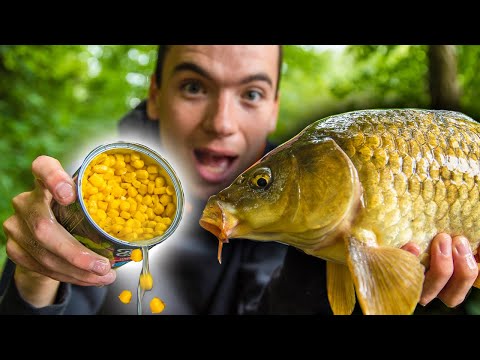
A straightforward way to catch a wary fish
Carp are common across ponds, lakes, and slow rivers, and they’re strong enough to make any simple setup feel exciting. Bank fishing with corn keeps the gear list short and the learning curve gentle, which is useful if you’re new or you just want a calm afternoon with a real shot at a heavy fish. The key is understanding how carp feed, where they hold, and how to present corn so it looks natural and safe. And while they can be cautious, they’re also creatures of habit. If you read the water, stay quiet, and keep your presentation consistent, they’ll eventually make a mistake.
Why corn works so well
Corn stands out to carp because it’s bright, soft, and sweet. Whole kernels look like the sort of small plant bits and invertebrates they graze all day, but they’re easier to spot than a drab seed or nymph. Corn also stays on a hook reasonably well, and it’s cheap enough to use for both hook bait and light prebaiting when that’s allowed. You don’t need fancy attractants, though a touch of sweetness never hurts. What matters most is confidence in your spot and a presentation that lets the bait sit where carp are already feeding.
Know your water before you cast
Carp patrol edges and transitions. That might be the outside line of lily pads, the downstream side of a fallen tree, the lip of a gravel bar, or the inside of a current seam where drifting food collects. In ponds and small lakes, watch for “fizzing” where bubbles rise from soft bottom as carp root around. In rivers, look for slow inside bends, eddies below riffles, and slack water near submerged cover. If you can find warm inlets or slightly colored water after a light rain, that’s often a bonus because carp feel safer and push shallow to feed.
Best times to be there
Dawn and dusk are classic, but carp will feed any time conditions feel stable and comfortable. On hot bright days, early morning shadows may be your whole window. During spring and fall, mid-day can light up when the sun nudges the shallows a few degrees warmer. After a cold front, they tend to sulk and move slower; pick your way through those days with quieter presentations and longer waits. At night, they often slide even shallower, and a simple bottom rig with corn becomes very effective if your area allows night fishing and you’re set up to land and release fish safely.
Keep your gear simple and safe
A medium or medium-heavy spinning setup in the 7- to 9-foot range covers most bank situations. Ten to fifteen-pound mono is forgiving when a heavy fish surges. If you prefer braid, add a few feet of clear leader for stealth and shock absorption. Use a single, strong hook sized to the bait—something in the small to mid range that holds two to four kernels cleanly. Barbless or micro-barb is easier on fish and people. A landing net with a soft, knotless mesh protects the fish, and a small pad or soft grass for unhooking keeps them from scuffing their sides.
Reading bites without overthinking it
Carp don’t always roar off with your line. Often the first sign is a twitch in the line, a wobble of the float, or the rod tip tightening and relaxing as a fish noses the bait. Give them a moment to turn the bait, but don’t wait so long that the hook slides deep. With a float, strike when the float slides steadily under or moves sideways with intent. On a bottom rig, let the line come tight and the rod load, then sweep firmly. Keep the drag smooth rather than locked because carp surge in short, powerful runs.
Presenting corn on a simple float rig
A slender fixed or slip float works because it shows tiny lift bites and sideways drifts that a bulky bobber can hide. Set the depth so your corn sits just on or slightly above the bottom. Space a few small split shot below the float to sink the bait steadily, with the lightest shot closest to the hook so the last few inches fall naturally. Cast past the target, draw the rig into place, and then leave it alone. If wind pushes the float, mend your line to remove bow without dragging the bait out of the zone. When the float cocks upright and steadies, you’re fishing.
Shotting patterns that help you see
Balanced shotting helps you detect “lift bites,” which happen when a carp picks up the bait and raises the lightest shot off the bottom, making the float rise or lay flat. Place most of the weight under the float and a small “tell-tale” shot a short distance above the hook. That tiny piece of weight is your messenger. When it lifts, the float’s behavior changes and you’re ready. It sounds technical, but in practice you’ll notice the pattern quickly: steady float, slight lift, deliberate slide—then a sweep of the rod and the satisfying bend that follows.
Free-lining when carp are shallow and spooky
When carp cruise inches from the bank, a sinker or float can be too much hardware. Free-lining is nothing more than a hook, a couple kernels of corn, and enough line to allow a slow, natural sink. Hide behind grass, kneel if you have to, and feed slack so the bait settles without dragging. If there’s light flow, present upstream and let the bait creep down like debris. Watch the line where it touches the water. If it jumps, slides, or tightens unnaturally, lift the rod and come tight. It’s simple, and in calm coves it can be the most convincing presentation you have.
Bottom rigs that anchor the bait where carp feed
A basic running rig uses a sliding sinker above a small stop and swivel, with a short leader to your hook. The fish can pick up the corn and move without feeling the full weight of the sinker right away. If the water is still, a lighter sinker lets the fish move confidently; in current, bump up the weight so your bait stays put. Some anglers prefer an inline, semi-fixed approach where the lead grabs briefly and creates a “self-hooking” feel when the carp turns. Both styles work; choose based on current and how much line management you want to do.
Hair-rigging corn without special tools
A hair rig hangs the bait just below the bend of the hook, leaving the hook point bare for a quick catch in the lip. You can tie a tiny loop of line at the end of your leader and thread two to four kernels onto that loop using a simple improvised stopper. The hook sits millimeters behind the bait. When a carp inhales the corn and then tries to eject it, the exposed hook point pricks and holds. You don’t need fancy bits to do this. The advantage is consistent lip hooks and fewer deep takes, which is better for the fish and easier for you.
Prebaiting and when to skip it
A little loose feed builds trust. A palmful of corn scattered in a dinner-plate-sized patch concentrates fish without turning the area into a buffet. If you can visit the same spot on consecutive days, small regular offerings are more effective than one big dump. That said, there are days when carp are already there and heavy prebaiting just pulls them into weeds or feeds the small fish. Start light. If birds or panfish dominate, adjust your approach and move to quieter water. Always check local rules before you chum; some waters limit or ban it.
Handling fish with care and common sense
Carp fight hard and deserve quick, careful handling. Wet your hands, keep them low over the net or pad, and support the fish with both hands—one under the front of the belly and one near the tail wrist. Do not squeeze the gut. If the hook is visible, back it out gently with pliers. If it’s buried, keep the fish in water while you work. Release them facing into gentle current or in calm water where they can gather themselves. Keep photos short and steady. The point of careful handling isn’t ceremony; it’s respect for the fish and the next memory.
Picking locations you can fish well from shore
Some banks fish better than others simply because you can approach them quietly, cast without snagging, and land a fish without climbing. Look for firm footing near structure you can reach with a comfortable cast. If vegetation grabs your line, step a few yards to create a better angle rather than upping sinker weight or fighting through hazards. In rivers, think about where you’ll walk a fish if it runs downstream. On big lakes, wind direction matters; a breeze blowing into your shore stacks warm surface water, insects, and drifting food—carp often follow that buffet line.
Adapting to seasons without reinventing everything
In late spring, carp often spawn in shallow cover. Give them space and focus on post-spawn periods when they slide back out to edges hungry. Summer brings weeds and oxygen changes; fish the pockets and outside lanes early and late, and look for shade. In fall, cooling water pulls them to sunlight and remaining vegetation, and their feeding windows stretch as they bulk up. Winter isn’t off-limits; it just asks for patience. Choose midday, fish the slowest water you can find, and downsize your presentations. The bait stays the same; the pace and positions change.
When your bait gets pestered
Bluegills and other small fish love corn. If they strip you constantly, touch up your rig. Lift the bait an inch off bottom with a small foam stopper on the hair or a lighter shotting pattern so the hook sits just above the pickers. In thick panfish crowds, switch to a single larger kernel or add a tougher artificial kernel paired with one real piece for scent. If the float never settles because of nuisance pecks, move a few yards to a clearer lane or shorten your leader so the bait doesn’t lie in the thickest traffic.
Common mistakes that cost fish
Dragging a rig across the spot after every cast pushes carp off. Feather the cast, settle the float, and then be patient. Oversized hooks stuffed with a pile of corn dampen your chances; two to four kernels present better than a wad. Heavy sinkers in still water make carp suspicious and cause missed bites because fish feel the weight. Tightening the drag because you’re excited leads to pulled hooks when a big fish shakes its head near the bank. Most errors come from rushing. Slow the process down, and results follow.
Ethics, rules, and being a good neighbor on the bank
Check local regulations on bait, chumming, and night fishing. Some waters restrict the use of certain baits or require barbless hooks. Pack out every scrap, including those bright can lids that hide in grass. Keep your lines organized so you don’t cross other anglers, and give room when someone’s playing a fish. If you plan to keep fish where that’s legal, do it quickly and within the rules. If you release them, do so like you’re handing a live thing back to the place it belongs. None of this costs anything, and it keeps access open for everyone.
Fighting and landing heavy carp without drama
Big carp lunge in bursts, then dog down. Keep the rod at a steady angle, let the drag pay line under pressure, and lead the fish—not yank it. When it rolls near the surface, that’s not always surrender; many fish surge again at the sight of the bank. Wait until the head lifts and the body straightens, then draw it over the net rim and lift with both hands. If the hook pops free at the net and the fish is inside, consider that a win. There’s more skill in maintaining calm control than there is in horsing a fish to shore.
Float fishing in wind, current, and awkward angles
Wind pushes floats off line and creates bow in your line that hides bites. Cast slightly upwind of the target, sink a short section of line with a quick rod tip dip, and then lift to remove only the slack you don’t need. In steady current, a slip float lets you adjust depth to follow contours. Don’t anchor your float with excessive shot just to hold position; that kills the natural look of the last inches near the hook. It’s better to move a foot to change the angle than to load the rig like a weight bench.
Simple line management that changes everything
Lay the rod across a forked stick or on a low stand with the tip just above the water so wind grabs less line. Keep the bail closed and a small loop of slack between your finger and the line roller so you can pay out an inch without moving the rig. If you’re bottom fishing, a light bobbin or a bit of tape resting on the line below the rod shows delicate takes when the line lifts. These little habits don’t look like much, but they show you signals other anglers miss and buy you time to react cleanly.
Adjusting hook size and kernel count to conditions
In clear, pressured water, a small hook carrying one or two kernels can be the difference between refusals and takes. If the water is colored or fish are actively competing, a slightly larger hook with three or four kernels gives a brighter mouthful they can find quickly. Keep the kernels aligned so they sit straight, not in a clump that spins. If you hair-rig, leave the bait just a touch beyond the bend so the hook point is wide open. Every tweak aims at the same goal: let the corn get inhaled, and let the hook catch clean on the way out.
When to switch from float to bottom and back again
Use the float when fish are cruising and feeding across a flat or along a defined edge where you want to hold a lane and watch for tiny signs. Switch to a bottom rig when wind, depth, or distance make float control unreliable or when fish are grubbing hard in a specific patch of soft bottom. On some days you’ll learn more by running both: one rod under a float outside the pads and another on a light running rig set a few feet down the slope. As the day develops, the fish will tell you which one they trust.
Putting it together in one clean plan
Start by watching the water ten minutes before you rig. Pick a spot that lets you cast and land fish without gymnastics. If rules allow, prime a dinner-plate-sized patch with a little corn and give it a rest while you tie on a single-hook corn presentation that matches the water: float if it’s calm and shallow, running rig if it’s deeper or there’s flow, or free-line if carp are tight to the bank. Cast past, draw into place, and then settle into stillness. Make quiet adjustments rather than dramatic ones. When the float tips, the line tightens, or the rod loads, let the fish have that first step—and then meet them with a smooth, sure sweep.
A calm approach pays off
Bank carp with corn isn’t complicated, but it rewards patience and small details. Give carp reasons to trust your offering: a steady spot, a natural fall, a hook that fits the bait, and hands that handle fish well. The result is a string of honest, heavy fights on simple gear from places you can walk to after work. And once you learn how a single kernel drifts or rests and how a float tells the story below the surface, you’ll realize the method isn’t about tricks. It’s about seeing what’s already there and fitting your bait into it cleanly.