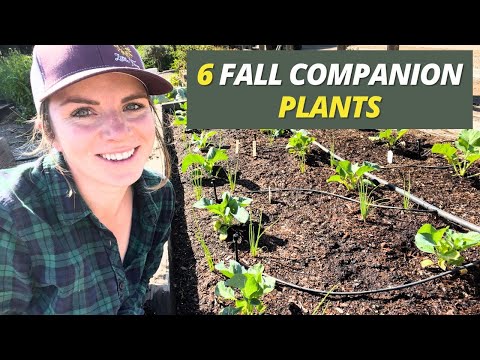
Marigolds can help prevent pest infestation of cool-weather vegetables like broccoli, kale and collard greens by naturally repelling aphids, whiteflies and cabbage moths – especially beneficial when planting alongside peas and beans.
Garlic plants can help repel many common vegetable pests, and are an excellent companion plant for spinach as they share similar temperature requirements. Plus, their deep roots help break up and aerate soil.
Marigolds and Nasturtiums
Marigolds (Tagetes spp) have long been beloved vegetable garden plants due to their beauty and ease of care. Marigolds offer many advantages to vegetable gardens including deterring pests while decreasing chemical insecticide usage. Their bright blooms contain chemicals such as alpha-terthienyl that act as natural insect repellents while attracing beneficial insects such as ladybugs or lacewings which prey upon aphids; their flowers also help prevent powdery mildew damage on tomatoes!
Nasturtiums (Nasturtium spp) also serve a similar protective function in vegetable gardens, with their bright colors and foul odors disorienting aphids away from crops they want to attack, making their target harder to find. Furthermore, these flowers also produce natural herbicides to control pests more effectively.
Nasturtiums (Brassica oleracea) are stunning flowers to grow in your garden and make perfect companions for kale (Brassica oleracea). The vibrant blossoms can help ward off cabbage loopers – an issue which often damages young cruciferous crops – by masking their scent. Furthermore, their orange and yellow blooms bring visual interest into any landscape, adding vibrant hues against dark green kale leaves.
Nasturtiums thrive in poor soil conditions while kale needs richer loam for optimal growth. To maximize results, combine both plants into one vegetable patch to take advantage of each plant’s special qualities.
Dill plant (Anethum graveolens) is an easy-to-grow annual that makes an excellent companion for kale. Its feathery leaves and fragrant flowers attract beneficial insects that help defend kale from pests such as aphids and thrips; additionally, the nectar produced from its flowers draws in hoverflies which act as natural predators against such harmful bugs.
Dill and Fennel
Dill’s feathery leaves and flowers attract pollinators while also deterring pests like carrot flies, aphids, cabbage loopers and more. Planting near cool-season veggies like kale, carrots, beets and kohlrabi can increase yields significantly. Fennel is another herb to consider when creating an autumn vegetable bed: its pungent licorice flavor acts as an effective deterrent against carrot flies and aphids; additionally its seeds provide natural protection from carrot fly larvae and caterpillars. In addition to all this it tolerates light frost and can be harvested continuously until hard freeze hits!
Like dill, fennel attracts beneficial insects and makes an effective companion plant to cabbage, cauliflower, broccoli, and kale. Carrots benefit from its presence as it masks their strong scent while deterring pests like aphids and cabbage loopers from visiting. However, as both varieties can cross pollinate with one another to produce unwanted flavors in both plants, planting fennel away from dill is recommended to prevent unwanted flavors in both.
Garlic can add additional value to a fall vegetable garden as an effective deterrent against aphids, cabbage loopers and cabbage maggots. Furthermore, its deep root system breaks up and aerates soil more effectively so your vegetables have a stronger foothold in the ground.
Companion planting can produce healthier and tastier harvests of fall vegetables than any other method. By adding flowering plants that attract pollinators while deterring unwanted pests, companion planting will significantly enhance both the health and flavor of your veggies. Furthermore, having more varied companion plants in your mix is better; their colors and scents will delight all five senses! So don’t wait; get out there and start planting today!
Sweet Alyssum
Sweet Alyssum (Lobularia maritima) is an annual that adds color and sweet fragrance to flower beds and vegetable gardens. Plus, its presence attracts bees and other beneficial insects that increase pollination rates for vegetables and flowers while increasing garden biodiversity.
Sweet Alyssum comes in various cultivars that feature white, pink or purple blooms that range in height from one stem to spreading groundcovers; its sweet honey-like fragrance can bring joyous charm to the garden environment. Growing from seed is simple; either directly sow it outdoors in spring or use 6-packs to start indoors before transplanting out in midsummer.
Asters thrive best in full sun but can tolerate some shade. To create optimal growing conditions, incorporate lots of compost or well-aged manure into the planting site to improve soil structure and drainage, water consistently but avoid overwatering as this may lead to root rot and fungal disease, apply balanced fertilizer once monthly for steady growth and blooming, deadheading often extends blooming period further and promotes self-seeding.
Sweet Alyssum makes an excellent companion plant in vegetable gardens, pairing well with cabbage, cauliflower, carrots, kale, lettuce, spinach, strawberries as well as spring flowers such as pansies, violas, snapdragons and dianthus.
Alyssum plants also help control weeds while simultaneously acting as an effective deterrent against aphid infestation of crops by acting as an effective deterrent against these pests. Furthermore, these flowers attract the seven spotted ladybug which devours aphids and other damaging insects; an adult female may consume up to 50 aphids every day by devouring eggs, larvae and adult nymphs of these bugs! This natural predator can significantly decrease aphid populations and thus eliminate the need for harmful insecticides used against these insects!
Basil and Chives
Herbs in this group make excellent fall garden additions, as they thrive in cool temperatures and can be harvested before frost hits. Furthermore, these herbs help ward off pests that feed off other vegetables and fruits, making them great partners to plant with leafy greens, brassicas and root veggies.
Basil (Ocimum basilicum) can help tomatoes by both improving the flavor and repelling pests, as well as being an ideal partner to chives (Allium schoenoprasum). Chives add depth of flavor while drawing away pests like aphids and carrot flies that threaten healthiness of basil plants.
These two herbs make an excellent combination because both thrive in similar soil and sunlight conditions, making seed germination easy and harvesting of leaves continual throughout the year.
Chives attract bees and other pollinators to your garden while adding an onion-and-garlic-inspired taste to salads and other dishes. Try adding chopped chives for a unique touch in this no-knead bread dough recipe.
Other herbs that thrive during the cooler season include sage (Satureja lupula), parsley (Petroselinum crispum) and tarragon (Artemisia dracunculus). They make great companion plants to hotter vegetables like peppers or eggplant, providing some shade while deterring insects that might otherwise damage those crops.
Garlic and Thyme
Garlic and thyme both help prevent pests such as aphids, cabbage loopers and other predatory insects that threaten fall vegetables like kale and broccoli from becoming damaged in your vegetable garden. By planting these cold-hardy herbs amongst crops in your vegetable patch, garlic and thyme help minimize chemical spray usage while making the garden more pleasant to tend.
These fragrant plants make ideal partners for many other cool-season crops and herbs, such as peppers, squash and tomatoes, thanks to their natural pest-repelling abilities. Furthermore, their presence helps aerate the soil, making it easier for vegetables to access nutrients more easily.
As herbs are so closely spaced, their shade provides protection from harsh sunlight for nearby vegetables – especially leafy greens like lettuce that need an extra measure to withstand summer heat. They also act as natural weed suppressors to keep invasive species like carrots from overtaking the lettuce patch.
As an added benefit, herb-family members add flavorful touches to meals. Their leaves and flowers serve as perfect garnishes for savory dishes while their blossoms can be picked throughout the year for soups, stews, marinades or roast veggies. Unfortunately, certain herbs don’t mix well together: those with similar scents (such as marjoram and oregano) don’t blend as easily due to overlapping scents that mask each other and prevent development of unique tastes.
Garlic and thyme add valuable compost to any garden, helping improve soil texture, fertility, and structure. They thrive best in slightly alkaline, well-drained soil enriched with organic matter; regular hand weeding and light mulching help them stay clear from unwanted plants; they do not require heavy fertilization and should only need minimal irrigation once established as they’re drought resistant once established.