


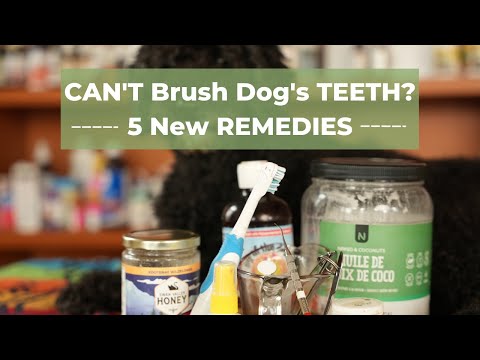
Dental Care For Dogs at Home Without Stress


Care for your dog’s dental health can reduce the need for professional teeth cleaning or other oral surgeries, as well as help avoid behavioral issues caused by discomfort.
Brushing your dog’s teeth should be introduced early, ideally when your pet is still young and malleable enough to adjust easily to new experiences like tooth brushing. Incorporating tooth brushing into their daily routine could prove more successful and make the whole experience less daunting for everyone involved.
Dental Wipes
Dental wipes offer an easy alternative to toothpaste and toothbrushes for pets. Simply wrap one around your finger, pre-moistened cloths can be gently rubbed against your dog’s teeth and gumline to help remove plaque and freshen breath while simultaneously improving oral health. Most dental wipes contain glycerin, shea butter and mint oil for optimal comfort – an invaluable way to establish brushing routines when dogs do not welcome brushes directly!
Make a daily habit of using a dental wipe on your pet to eliminate harmful bacteria that cause dental disease and bad breath, and build up gradually with short sessions over time as they get used to them. Be patient as you speak in a soothing, comforting voice throughout the process; end each session by rewarding or rewarding with praise or their favorite treat to reinforce positive associations between dental care and praise or treats for good behavior!
Make sure that any cleaning product you select for your pet is specifically designed to address their unique dental needs and contains no toxic ingredients like human toothpaste that could potentially be detrimental to their teeth and gums. Furthermore, verify whether it has been approved by an organization such as the Veterinary Oral Health Council as this signifies its safety and efficacy.
Establishing a regular dental care routine for adult dogs can help delay or even stop periodontal disease – an infection of the gums which spreads into the bloodstream, impacting organs such as heart, liver, and kidneys – from appearing. It’s the most prevalent clinical condition among adult canines but often preventable with at-home care or regular veterinary checkups; loose or missing teeth as well as facial swelling are signs that advanced dental disease should be addressed immediately by veterinarians.
Dental Chews
Dental chews provide mechanical cleaning action against plaque, helping prevent it from hardening into calcification and leading to gum inflammation, bad breath and other health concerns. Chewing also stimulates saliva production which works against bacteria. A dental chew routine can be an invaluable addition to your pet’s dental hygiene regime when combined with daily brushing and balanced nutrition.
Choose a chew with the Veterinary Oral Health Council (VOHC) seal of approval to ensure its safety and effectiveness. These chews have been scientifically proven to reduce plaque and tartar accumulation, and don’t trigger food sensitivities; additionally they have received approval by your veterinarian to meet the individual dental needs of your pet. For optimal dental care choose protein-based chews which help address nutritional deficiencies as well as being low cal/fat for weight management purposes.
Prescription pet foods sometimes feature kibble textures and sizes designed to provide gentle mechanical cleaning when chewed, helping prevent tartar buildup. Always consult your veterinarian before changing diets.
Addition of dental chews into a holistic routine can reduce the risk of dental diseases like gingivitis, tooth decay and periodontal disease in pets. Along with regular brushing sessions under anesthesia and professional dental cleanings with anesthetic injections under anesthesia, this combination will enhance their quality of life while saving costs associated with advanced oral conditions that might arise in future treatments.
Santa Monica Veterinary Group provides comprehensive professional dental care to complement your pet’s home-care regimen. This care includes examinations, x-rays and cleanings designed to reach issues difficult or impossible for homecare tools to reach. Reach out now and set an appointment.
Food Additives
Your pet’s diet plays an essential part in their dental health. Specialized foods for dogs such as Hill’s Prescription Diet t/d have been clinically proven to reduce plaque and tartar accumulation up to the gum line – ideal as part of daily oral care routine.
Regular professional dental cleanings under anesthesia for pets remove tartar above and below the gumline, helping prevent more serious oral disease issues in the future. Even with regular brushing, most dogs require professional dental cleaning at least once annually; smaller breeds or those prone to dental issues may need more frequent appointments.
Bad breath (halitosis) is one of the hallmarks of poor dental health in pets, often signaled by its foul odor caused by an accumulation of bacteria on the surface of their teeth. Left untreated, this bacteria enters their bloodstream and may lead to infections in vital organs like heart valves, livers and kidneys – Regular dental cleanings significantly decrease this risk for these systemic complications in your pet.
If your dog resists brushing, gradually introduce the process with short sessions and plenty of praise. Use soft-bristled toothbrushes designed specifically for pets rather than human toothpaste as it will be less likely to cause irritation. Start by offering some taste of toothpaste on your finger; once they become comfortable with brushing you can gradually extend their sessions over time.
Water Additives
Mild “dog breath” (halitosis) is completely normal and expected, while persistent foul odors could indicate bacteria overgrowth that requires professional dental cleaning for dogs. Brushing their teeth daily along with professional vet cleaning are effective strategies for maintaining their dental health and avoiding serious health problems in your pet.
Water additives that act like mouthwash for pets are an excellent way to enhance oral care and reduce odor, while being an easy, stress-free alternative to daily brushing routine.
Choose a water additive with an effective yet gentle formula, free from harsh chemicals and sulfates. Avoid products containing stabilized chlorine dioxide which is commonly found in mouthwash and may irritate mouth, throat and stomach linings; additionally it’s an oxidiser which may disrupt healthy bacteria balance in both your gut and mouth leading to nutritional imbalances over time.
The highest-performing water additives are comprised of natural, biodegradable ingredients derived from plant and mineral sources. Their formulation ensures they’re safe for human and animal consumption while being free from alcohol, fragrances and dyes; some brands even aim to be eco-friendly by using recyclable packaging and sustainable ingredients that won’t pollute the environment.
Keep in mind that diet plays an integral role in maintaining dental hygiene for pets. Some kibbles have special textures designed to scrub the teeth as your dog chews, reducing plaque and tartar build-up. When switching food brands or types for your pet, consult your veterinarian first and always monitor chewing to make sure products do not pose a choking hazard or cause digestive problems.
Dental Powder
Dog dental powder is an easy and convenient supplement that can support oral health and fresh breath in pets. It works by changing the oral environment by altering bacteria levels to make plaque less sticky, helping reduce gingivitis risk as well as periodontal disease development, while making veterinarians able to detect more easily any signs of dental disease during routine exams.
Brushing can extend the benefits of professional dental cleanings by delaying plaque and tartar build-up between visits, keeping their mouths healthier for longer. For dogs who don’t enjoy brushing, chews that scrape teeth as they chew (such as Greenies or VOHC-approved dental chews) are another solution to control plaque. For dogs that can’t tolerate brushing altogether, specially designed dry foods with teeth-scraping action such as Greenies are a good way to manage the buildup.
Sprinkle dental powder at mealtime as an easy, stress-free and effective way to help support oral health between professional cleanings. Many powders are flavorless or mildly palatable so dogs accept them without difficulty; the added beneficial bacteria aid in eliminating bad odors while stimulating healthy gum tissue growth. When selecting a powder make sure it carries an NASC seal of approval as this indicates quality care for your pup!
Similar to any oral care product, dental powders must be utilized daily in order to maximize their benefits. While they shouldn’t serve as a replacement for regular brushing and professional dental cleanings under anesthesia at your veterinarian’s office, dental powders can still play an integral part of your dog’s dental routine and potentially save costs in terms of costly and invasive treatments that occur when dental issues progress into advanced stages. A healthy mouth is crucial for comfort, energy levels and long-term wellbeing – be sure to discuss any concerns with your veterinarian immediately!
Share this:

Discover more from Life Happens!
Subscribe to get the latest posts sent to your email.