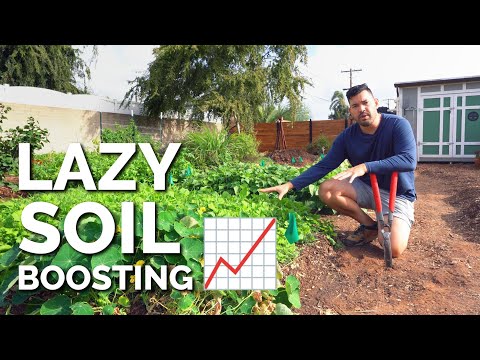
Cover crops increase soil fertility by fixing nitrogen in partnership with Rhizobia bacteria. Leguminous plants such as clover and peas provide effective weed suppression capabilities as well.
Select species that will winter kill in your zone and work well in crop rotation plans, such as grass-legume mixes in northern climates or low-growing clover or hairy vetch in warmer regions.
Lettuce
Home gardeners with limited growing space can still benefit from using cover crops as part of a rotation strategy. To start creating this system, homeowners must identify their goals for growing cover crops such as soil building, fertility improvement, weed suppression or disease suppression and then select species which meet those objectives.
Leaf lettuce differs from head lettuce by having leaves that branch out loosely rather than tightly into a head, creating an elegant salad green that offers thick textures, rich textures and mild flavors that makes for versatile meals.
Cover crops should be cut back before they set seed to avoid competition with vegetables for water and nutrients. Quick-growing cover crops like buckwheat can be allowed to seed up to three times before being terminated, while legumes that fix nitrogen, brassicas that loosen compacted soils and ryegrass which suppresses weeds are other suitable choices.
Kale
Cover crops can help meet many different goals, from weed suppression to building soil organic matter. With thousands of options available to us, choosing an effective cover crop may seem daunting at first.
Grains like winter rye and oats build biomass while breaking up soil compaction, while legumes such as clover and peas form relationships with bacteria called Rhizobia that fix nitrogen from the air, then release it for use by other legumes or vegetable crops.
As part of an easy fall cover crop schedule, harvest all spent summer veggies before broadcasting 1/2 cup winter rye + 1/4 cup crimson clover per 4×8-foot bed. Allow these seeds to mature for about 2-3 weeks after sprouting before cutting them back as planned to ensure proper termination – this simple plan provides winter protection while enriching soil tilth, nutrients enrichment, and suppressing weeds!
Beets
Roots of cover crop plants access nutrients in the soil that would otherwise remain out of reach for crops outside of their growing season. Once collected, these nutrients remain locked up until termination occurs and is returned back into the ecosystem food web.
Buckwheat and sudangrass cover crop species decompose rapidly and add quick organic matter to the soil, while clover and teff take longer but create stable humus in their wake. Both types are great at aerating compacted soils while increasing water infiltration rates and adding airflow in the root zone.
Mixes of species generally offer greater advantages, though using just one species may also work effectively depending on your purposes. You could select grasses or legumes or both as appropriate.
Leafy Greens
Cover crops provide soil organic matter, weed suppression and nitrogen for future vegetable harvests. Many growers sow legumes or cereal grains for maximum effect.
To maximize soil health, select a grass-legume combination like hairy vetch or rye grahams which will produce biomass over winter while also aerating compacted soil. Legumes (clover, fava bean, tillage radish) promote healthy soil structure by adding beneficial fungi and bacteria that contribute to its structure.
Teff makes an ideal summer cover crop option because it requires minimal mowing and does not produce seed, eliminating competition with volunteer plants.
Spinach
Cover cropping isn’t exclusive to large farms; even home gardeners can take advantage of it. Undergoing a soil test and understanding your goals with your rotation can help define it and determine what species of crops to grow.
For instance, if you want to increase nitrogen in your soil, it would be ideal to alternate brassicas with legumes like hairy vetch or crimson clover as these crops tend to be better at fixing nitrogen than grasses and can decompose quicker so it becomes available sooner in your garden bed or soil.
Buckwheat or fava bean plants are excellent choices for areas with heavy foot traffic because they will not go to seed and create an unwanted weed problem. After broadcasting seeds, lightly dragging a tine rake over them after broadcasting will help ensure maximum soil-seed contact while maintaining moisture levels in your field.