


How to Harvest Basil Without Killing the Plant
Proper harvesting extends basil’s life and enhances its flavor, as well as encouraging regrowth and increasing yield. Understanding growth patterns simplifies harvesting while gentle cutting promotes regrowth while decreasing stress. Avoid common mistakes for success – basil grows quickly with proper care!
Regular pruning of flower buds on basil plants helps them avoid going to seed and diminishing leaf quality.
How to Harvest Basil
Basil is a tropical annual that requires plenty of water. Water frequently and consistently during its growth season to ensure plenty of delicious leaves throughout. Don’t wait to harvest until the end of season as basil plants may have grown tall and spindly by then; harvest regularly during its growth for best results!
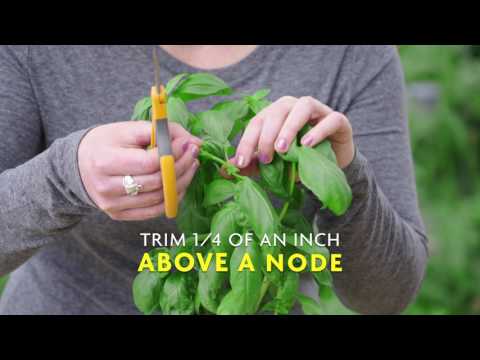
Correct harvesting encourages growth and enhances flavor. Cutting above a leaf node promotes branching. Understanding growth patterns helps prevent damage and relieve stress; regular harvesting delays flowering.
Sharp tools provide clean cuts and minimize damage when harvesting early morning, with shears as opposed to scissors offering greater precision and watering helping recovery while supporting overall plant health. Basil responds quickly when given proper attention.
Getting Started
Even though it may be tempting to pinch off the tip of a basil plant in order to stop its flowering process, this won’t do the trick and instead encourage more seeds production. A more effective strategy for stopping flower production would be cutting at least four leaf nodes below the top stem in order to shock it back into leaf production – similar to how mint harvesters harvest mint plants but equally applicable when harvesting other herbs such as chives and parsley.
Regular snipping of basil promotes its regrowth and prevents an unruly, overgrown plant from emerging. Harvest your harvest early morning when essential oils are most potency.
Harvesting basil correctly extends its lifespan, enhances flavor, and ensures uninterrupted growth. Learning proper techniques will allow gardeners to avoid making errors that damage or kill their plants; understanding its growth pattern also yields better results; harvesting at just the right spot promotes branching while also healing damage more effectively – correcting common mistakes will help gardeners maximize basil crops!
Harvesting the Leaves
Basil is a widely utilized herb for fresh salads and cooking applications, possessing an inviting fragrance.
Harvesting basil leaves at an optimal time promotes continuous growth and yields full harvests. Proper cutting also maintains its shape while heightening flavor profiles.
Basil should be harvested early morning when essential oils are at their strongest, using clean scissors or shears as harvesting tools. Sharp tools ensure clean cuts that help prevent disease spread while providing precision to ensure effective harvesting techniques.
Cool temperatures and appropriate storage methods are crucial in maintaining basil quality after harvest. Utilizing a portable cooler can extend its shelf life; temperatures must stay under 55 degrees Fahrenheit to prevent sun damage to harvested basil. If possible, its placement away from direct sunlight would further protect it against further degradation.
Food safety considerations surrounding basil are of utmost importance as its consumption can often occur uncooked or raw. Farm workers handling it should receive annual training regarding human pathogens and potential routes of contamination; water used for washing should ideally come from sources that have been tested for generic E. coli bacteria with non-detectable results.
Harvesting the Flowers
Basil flowers may look lovely, but their presence actually diverts energy away from leaf production, leading to a decline in overall plant health. By consistently removing flower buds, gardeners can redistribute resources back towards leaf production – prolonging harvest season while improving flavor and quality of herbs produced from their efforts.
Basil plants must remain well hydrated and fresh during their cultivation to preserve their lush green color and crisp, tangy flavor. Regular watering and sun exposure are necessary to ensuring success for basil, while proper storage and preservation techniques must also be observed to preserve freshness and taste.
Use clean scissors or pruning shears to cut above a leaf node instead of pulling or tearing basil plants, this ensures harvesting from the top and encouraging bushier growth. By cutting below the leaf node, this ensures the herb can still produce leaves from its lower portions.
Reliable harvesting practices are key to producing abundant supplies of fresh basil. When harvesting, never remove more than one-third of your plant in any one harvest, as this safeguards both its health and encourages new growth while helping prevent it from prematurely bolting (flowering into seeds).
Share this:

Discover more from Life Happens!
Subscribe to get the latest posts sent to your email.