


How to Propagate Basil From Cuttings in Water and Soil
Basil deserves more than being chopped quickly for salads or added as an ingredient in tomato sauce. The location and method of harvesting greatly impact its taste, and proper handling and storage help preserve its delicate leaves.
To get maximum freshness from basil harvesting, aim for late spring or early summer. Basil cuttings can easily grow back in both water and soil conditions as long as there is warmth and moisture available.
Cut the Stem
Basil plants can be grown from seeds, but cuttings often root more readily. With sharp, clean scissors or snippers, cut a 4- to 6-inch stem from an established basil plant with no flowers to produce cuttings for rooting. Make the cut below a leaf node where new leaves and roots form on its stem. Rooting hormone may also be applied at this stage for extra root growth – though this step is optional as basil tends to thrive without it!
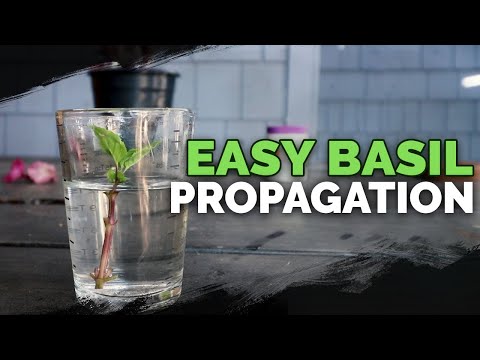
Fill a clear glass with water, making sure that the stem reaches above the waterline. Distilled or rainwater is best; for added boost, add rooting hormone to boost growth faster. Or alternatively, place basil into a pot filled with slightly damp planting mix; make a hole and insert stem before pushing mix down around stem.
Cover the pot with a plastic bag or dome to retain moisture, and place in a warm location with indirect lighting. Monitor regularly once basil reaches about six inches in height. Remove plastic to check for root growth – pulling should produce some resistance; this indicates successful rooting; this usually takes about two weeks.
Place in Water
An effective method to propagate basil can provide an abundance of fresh herbs. Basil thrives best during warm weather – between late spring and summer. They need indirect light, clean water and humid environments in order to root successfully.
An healthy basil plant will feature multiple sets of leaves on its stem. To prepare it for propagation, cut off a four-inch long mature stem from your plant and examine its nodes at the bottom – these will be spots where new leaves and shoots can develop.
Nodes appear swollen and thicker than other parts of the stem, requiring you to cut just below them for successful rooting. For faster growth and root formation, dip the end of the stem in rooting hormone powder before cutting.
Place a basil stem in a glass of water and keep it at temperatures above 70 degrees Fahrenheit for 10-14 days, inspecting regularly and replacing as necessary with fresh water as necessary. Over this period, roots should begin forming.
Place in Soil
Basil (Ocimum basilicum) is an easy, warm-season herb to cultivate outdoors or in containers, and propagating it is relatively straightforward using stem cuttings taken during its early summer maturity. Growing it from seeds may also work, although this process takes much longer. In this article’s technique for rooting basil cuttings in water and soil quickly gives you more basil plants than either method alone could.
Start the process by selecting a healthy basil plant and cutting four 4-inch stems from its base. Look for stems with multiple sets of leaves and avoid flowering stems as these are less likely to form roots. Use clean snippers when cutting, and be sure to remove any flowers present on each stem before cutting below its leaf node, which looks like a little bump on its stem where new leaves will sprout from.
Dip the end of the basil stem in rooting hormone powder to promote faster root development. While this step is optional, it can speed up rooting time considerably. Fill a small pot with lightly moistened potting soil and create an area for your basil cutting to be placed within it – gently press it in and then cover it up with more soil to avoid overwatering as basil tends to rot when too much moisture enters its environment.
Transplant
Basil (Ocimum basilicum) is an annual plant that’s easy to root in water or soil and will produce new plants year-after-year for harvesting, providing you with a continual supply of fresh basil for cooking and salads. This process also results in significant savings!
When selecting a basil plant for propagation, be sure to choose a healthy specimen with multiple sets of leaves on its stems that is free from disease and pests, with stems that are at least four inches long. Furthermore, avoid choosing one that has flowered as that will stop producing new leaves in favor of producing seeds which will ultimately kill off your plant.
Basil Cuttings Require Bright Indirect Light, Clean Fresh Water and Humid Environment to Develop
In order for basil cuttings to root properly in clean fresh water, they require bright indirect light, clean fresh water, a humid environment and minimal sunlight exposure. Direct sunlight may scorch their leaves, slow growth or cause any sunspots. Water should remain moist but don’t overwater; overdoing this may lead to root rot which ultimately kills your basil plant.
After two weeks of cultivating basil in water, small roots will appear. Gently tug on the stem to check its root structure. When firm, transfer to soil in a pot filled with light yet well-draining potting mix and gently press soil firmer around its roots with your fingers before watering lightly – do not soak!
Share this:

Discover more from Life Happens!
Subscribe to get the latest posts sent to your email.