


How to Prune Zucchini and Summer Squash Plants
Summer squash needs regular pruning to stay healthy and boost fruit production. Pruning can prevent diseases like powdery mildew from spreading by cutting dead or infested leaves, thinning plants for increased air circulation and removing vines that encroach onto nearby vegetables, among other techniques. These practices are necessary in maintaining its optimal condition and decreasing disease transmission.
Routinely trimming stems that touch the ground helps remove shelter and pathways for pests such as squash vine borer.
Planting
Squash are an enjoyable addition to a backyard garden, being both simple and hardy crops to grow from seed. But, like all plants, squash requires regular care. Two key techniques for successful squash harvesting include staking and pruning which help lessen pest and disease risks while taking up less space, plus making pollination easier with bees pollinating directly from within their leaves.
Squash should be planted in well-draining, loose soil amended with plenty of compost. Row planting works best; once in place they must be staked and pruned regularly so as to not collapse into neighboring plants and overshadow them. Staking and pruning helps prevent fungal diseases common to our warm climate by keeping squash’s height at an appropriate level.
Once you plant zucchini, water the soil frequently for the first couple weeks until its vines have taken hold and established themselves. After this initial period, gradually decrease their watering needs over time; but don’t forget: zucchini love moisture! However, keep foliage dry as powdery mildew can develop quickly on damp foliage – keep excess water off leaves to avoid further powdery mildew problems; if any signs appear apply a homemade powdery mildew spray specifically made for zucchini (or any squash).
As your zucchini plants begin to expand, regularly prune them by cutting away dead or diseased leaf stems and vines, but be wary not to prune too heavily – too much chopping could cut off fruit-producing vines altogether! Additionally, try not to prune away more than 20% of leaves from each vine – not just for aesthetic reasons but because these leaves help the vine produce firm and healthy fruits!
Keep an eye out for squash vine borers – those slimy creatures with maggoty stem-eating mouthparts that feed on zucchini plants! A quick hand squishing may do the trick; otherwise try insecticides such as Daconil or Sevin; always follow directions regarding preharvest intervals and application rates before using these solutions.
Soil Preparation
Zucchini plants require warm, well-draining soil with plenty of sun and fertilizer to thrive, with seeds best planted outdoors after the last frost date in spring or early summer – once established they can produce prolific fruit rapidly! For optimal success consider adding compost or well-rotted manure as fertilizer before sowing.
When growing vineing zucchini, be sure to leave enough room between each plant to encourage adequate air circulation and prevent powdery mildew formation. Also, thin out lower leaves of bush varieties so as to produce fuller and more nutritious fruit; you can do this by cutting these leaves close to their stem.
Soil preparation is an integral component of growing vegetables, yet many gardeners often overlook this step. While specific plant needs vary according to variety, in general most prefer loamy soil with acidity levels between 6-9 pH for healthy crop production.
Before planting vegetables in your soil, it’s essential that its pH and fertility is checked. Professional testing or at-home kits can both provide this vital service; ideal soil for vegetables should have drainage properties while being slightly acidic to neutral, with a pH between 6.8-6.8.
Before planting, loosen the soil using a hoe or spade and dig a hole the size of your thumb to aid root penetration into the soil and break up any large clods of clay-like dirt that might exist. This helps ensure successful plant establishment.
Once the zucchini plants have been planted in the ground, a layer of mulch such as black plastic or biodegradable organic material should be applied over them to keep weeds away and regulate soil temperature for maximum success. This step is especially crucial if your squash takes 50+ days to mature.
Some people opt to build raised beds when growing squash, but this isn’t necessary as long as you choose an ideal location and amend your soil properly. To do so, dig a pit that measures roughly one foot (30cm) deep and wide before filling it with rich organic matter such as manure or compost and backfilling it to at least 6 inches (15cm). Finally, scatter some organic slow-release fertilizer over top for extra support for your zucchini plants.
Watering
As summer progresses, your zucchini plant will require regular watering if it receives much rainfall. But be wary not to overwater as this can lead to root rot and other issues; therefore it may be prudent to water in either the morning or evening so as not to soak into their roots during the night and cause issues for them.
Avoid powdery mildew problems by pruning your squash plants properly, which means removing any leaves that are yellowing, dead or diseased. This will allow more light into the plant so that more squash will be produced.
Squash plants should also be pruned regularly in order to promote fruiting. This is especially crucial if growing them in containers where their sprawl could overtake other plants in their vicinity. To combat this problem, prune the main stem every two weeks as well as any side shoots that don’t produce flowers (which will become zucchini).
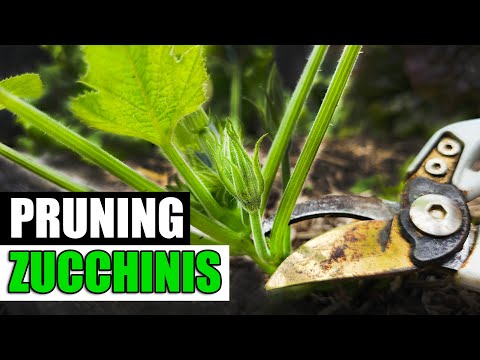
To prune zucchini plants properly, the best method is using either clean garden scissors or hand pruners, although you could also invest in a set of Felco F-2 pruners, which are popular among gardeners, or simply use a sharp kitchen knife for this task. When doing this task, make sure any non-flowering stems that extend too far from the plant and take up valuable space can be cut back closer to where they meet up with its main stem so as to eliminate hollow stems that harbor pests and disease.
Pruning zucchini plants is a straightforward yet crucial task that will maximize your harvest. While all gardeners should do it, many tend to overlook this essential task because they assume the plant will grow without needing intervention from them. But in reality, zucchini plants greatly benefit from being pruned early on in the season in order to increase resistance against insects, allow pollinators access more easily, improve air circulation, reduce chances of plant diseases caused by poor conditions or excess moisture, as well as boost harvest yields and make your harvest even greater!
Pruning
As with other plants, zucchini and summer squash must be pruned regularly to maintain optimal health and maximize harvest. By trimming away leaves and vines not producing flowers or fruit, pruned plants redirect their energy toward fruit production, often increasing yield by double over unpruned ones. Pruning also allows gardeners to cultivate zucchini even in small raised beds without compromising space for other crops or herbs.
Regular pruning can also protect squash plants from disease and pests that thrive in crowded conditions, like powdery mildew fungus. Staking and pruning your plants as well as removing lower leaves that aren’t producing fruit can help keep moisture off of them and hinder its spread, slowing its development into powdery mildew fungus growth.
Squash vine borers can quickly decimate squash plants before any fruit can form. These insect predators like to hide among leaf debris, mulch and straw in the soil area around your plants – making them hard to detect. By staking and pruning your zucchini plants regularly, you can help eliminate these potential breeding grounds for pests while simultaneously blocking access to their food source.
Pruning may be an inconvenience for gardeners looking to maintain tidy veggie plots, but it’s an integral part of producing large and healthy zucchini squash plants. When cutting stems with shears or pruners, make sure they are clean, sharp and wear rubber gloves; when dealing with diseased stems make sure that any dirt and debris are cleared off between each cut to protect yourself.
As a general guideline, only clip dead or overgrown stems. However, in certain circumstances you may want to trim zucchini plants that have grown too close to other squash varieties in your garden or are shading out plants that require full sunlight for their survival. Be wary when adding diseased or infested stems into compost piles as this creates breeding grounds for harmful pathogens and insects that could compromise future crop production.
Share this:

Discover more from Life Happens!
Subscribe to get the latest posts sent to your email.