


Heat Fishing: Stunning Best Tips for Effortless Summer
As oceans, streams and lakes warm, fish seek cooler pockets of water for shelter. But as their travel north or high in elevation, so too do their limits as regards how much dissolved oxygen the water can hold.
Wind speeds play an essential part in mixing colder deep waters with warmer surface waters, but climate change is making marine heatwaves more prevalent by creating weaker winds conditions.
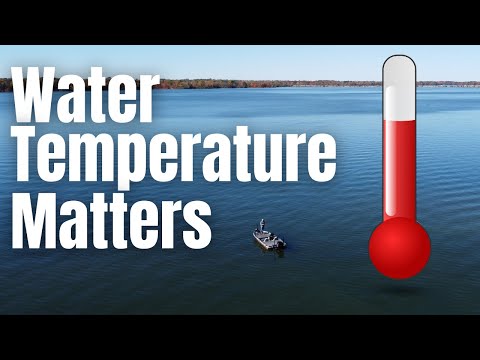
Water Temperature
Most anglers understand that high water temperatures are detrimental to fish populations. High temperatures have resulted in hoot owl restrictions, daily closures during the hottest parts of the day, and even fish kills during summer.
Every aquatic organism has an optimal temperature range where it thrives and performs all its metabolic processes efficiently, but all living things also have limits beyond which they cannot survive. When water temperature rises too fast for fish’s gills to extract enough oxygen from dissolved matter in the water for survival and health.
Warmer waters can lead to increased rainfall, leading to increased runoff that deposits pollutants and nutrients into rivers and lakes. Warmer winters and early springs reduce snowpack, another source of cool water in Western United States rivers and lakes that helps moderate temperatures, thus further warming these waters as well.
In 2023, a massive marine heatwave struck the North East Atlantic due to climate change affecting natural circulation of ocean waters, driving up surface temperatures and impacting fish stocks. A primary factor behind the event was weaker wind circulation that stopped surface water mixing with cooler deep waters below, leading to spiked surface sea temperatures. Climate change is contributing to this change through its effects on ocean circulation patterns causing higher surface temperatures as a result.
Understanding how your target fish react to changes in environmental conditions such as temperature is integral to becoming an accomplished angler and protector of the environment. Knowing your target species’ preferences, and their behavior in response to environmental influences is crucial for successful fishing and environmental preservation. Here are some helpful tips on honing this skill set.
Algae Bloom
Algae are photosynthetic microorganisms that play an essential part in both freshwater and marine ecosystems, harnessing sunlight’s energy to feed food chains like fish and shellfish. Their existence ranges from microscopic single-celled forms float freely in water to mats of visible macroalgae growing on bottom sediments; in Jefferson County lakes the most commonly bloom-forming forms include green or blue-green (cyanobacteria), while saltwater bays tend to favor dinoflagellates or diatoms as dominances.
Blooms are formed when conditions are favorable for algae growth – in freshwater lakes this typically includes adequate nutrient availability and warm temperatures; saltwater bays often experience the same results from warm waters. A harmful algal bloom is defined when an overgrowth of these microorganisms begins negatively affecting human health or natural resources in some way; not all blooms contain toxic bacteria which produce toxic substances which pose risks to people and pets if swallowed or coming in contact with skin; some cyanobacterial strains also produce potent toxins which accumulate within internal organs of fish leading them to die off altogether.
HABs not only produce toxic toxins, but their decomposition also consumes oxygen, creating low-oxygen zones that threaten wildlife. HABs may cause respiratory irritation as well as skin, eye or throat sensitivity, vomiting diarrhea and abdominal discomfort for humans exposed.
Public members can help identify possible HABs by looking out for discolored or murky water that smells foul, appears as film on its surface or has a slimy appearance. If they suspect a HAB, please report it using our online HAB Report Form.
Storms
As the eye of a tropical storm or other severe weather system moves inland, its eye can cause significant water turbulence that stirs up sediments on the bottom, stirring up and dislodging small crustaceans and worms that would otherwise remain submerged under sediment or mud – this sudden influx of prey often sparks feeding frenzy among baitfish and larger predator fish species alike.
Wind and waves can also help warm surface waters by several degrees during colder months – something which can make all the difference in terms of fishing experience! This can make all the difference in an otherwise average day of fishing!
As a storm approaches, barometric pressure decreases drastically and this causes fish to have their swim bladder expand dramatically, forcing them into shallow waters to find air. Fish that had been hiding deep may become more aggressive after the storm has passed in search of sustenance.
Storms also stir up insects and other small food sources in the surface layer of water column, attracting both baitfish that typically avoid shallow areas as well as larger predatory fish species.
Tropical storms and hurricanes have the ability to wreck havoc on coastal marine ecosystems, from damaging coral reefs and estuaries, redistributing bottom sediments, to increasing pollution through storm-water runoff. But less attention has been paid to how storms impact marine species living deeper waters; research now shows that fish in habitats as deep as 120 feet may also be affected, potentially having both short- and long-term impacts on fisheries.
Fish Are Slower to Bite
Temperature increases can slow the metabolisms of fish and diminish their desire to feed, with particularly trout and salmon which rely on cold waters for their energy source. Furthermore, heat waves can make accessing their prey harder – for instance marine heatwaves may stop zooplankton from rising to the surface as well as cause cod to breed prematurely and therefore lower their chances of survival.
Warm weather causes fish to move deeper to find cooler waters, which reduces their chances of being caught. But as soon as temperatures cool off again, fish will return to their favorite fishing holes.
When fishing during a heat wave, use lures with lots of movement and noise to attract fish, such as crankbaits, spinnerbaits, or topwater baits with scent to appeal to their amplified sense of smell. You should also consider using lighter lines with smaller hooks so your bait won’t get caught in vegetation.
When catching and releasing fish, be sure to do it as quickly as possible in order to help the animal recover and increase its chances of survival. Use only large enough nets that allow fish through, keeping your net submerged when releasing it so as to prevent stress injuries from being sustained while being pulled up onto land and onto beaches.
Fish May Be Found in Deeper Water
Many fish species require a certain temperature range in order to thrive, and as water temperatures increase they seek cooler, deeper waters. Warmer waters can also clog their gills reducing oxygen levels and stressing them out; in addition, toxic algal blooms pose additional threats.
Extreme temperatures have also been proven to affect marine ecosystems and fishing operations negatively. For instance, in 2021 a marine heat wave in Western Australia caused the massive death of kelp forests and scallop populations; its ecological cascade led to closure of Dungeness crab fisheries as well as fishery disaster determinations.
Fish are swimming upstream into areas of cooler water temperatures on our local rivers and lakes as well, creating thermal refuges where colder river water discharges into a larger body of warmer stream water – this may happen where tributaries join rivers, springs emerge at specific spots or when creek channels cut into river banks, creating pockets of colder water temperatures.
As such, anglers may need to adapt their strategies when fishing in summer waters. Fishing deeper water structures like humps may prove more fruitful; bass are known to hide out on brush piles atop humps in 15-20 feet of water while largemouth bass often prefer creek channels with similar depth.
Choose the appropriate time of day when fishing this summer in order to increase your odds. Fish tend to be most active during low-light periods like early morning and evening fishing sessions; during direct midday sunlight they tend to retreat deeper or find shaded areas.
Share this:

Discover more from Life Happens!
Subscribe to get the latest posts sent to your email.