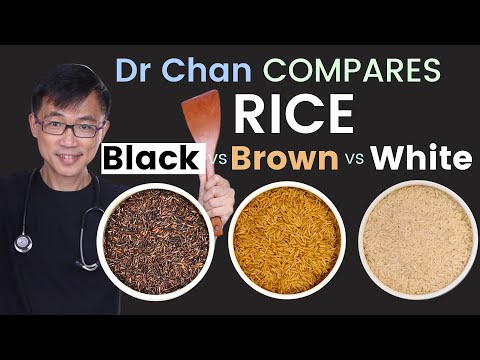
Black rice contains anthocyanins, antioxidants which support heart health and inflammation reduction, as well as lower cholesterol levels and improve immune response. Plus, this gluten-free option makes black a healthy choice for anyone avoiding white rice!
Population studies have demonstrated that anthocyanin-rich foods may provide protection from heart disease, while laboratory experiments indicate they could also inhibit cancer cell growth.
It’s a good source of iron
Black rice is an excellent source of iron, essential for healthy blood. In addition, its antioxidants and plant-based chemicals provide cardiovascular support, help combat cancerous growths and chronic inflammation, while being known as the most effective form of rice for reducing oxidative stress that leads to diseases like cardiovascular disease or Alzheimer’s.
Black rice boasts a low glycemic index rating, meaning it releases sugar into your bloodstream at a slower rate than other varieties of grains and rice, making it an excellent option for people living with diabetes. Furthermore, anthocyanins found in black rice have the power to boost insulin sensitivity and thus help control your blood sugar levels more effectively.
Black rice offers another advantage over its counterparts in that it is gluten-free. While white and brown varieties contain gluten, black is gluten-free making it the ideal choice for people living with celiac disease. Plus, its abundance of dietary fiber will help decrease risk for digestive issues while providing a nutritious balance to a diet plan.
Black rice contains antioxidants known as anthocyanin pigments cyanidin-3-glucoside and peonidin-3-o-glucoside that may help prevent eye issues. Anthocyanins have been proven to protect eyes against free radical damage while slowing retinal aging process. Furthermore, research indicates anthocyanins may even possess anticancer properties as they inhibit cell growth and spread of cancer cells.
One study concluded that eating foods rich in anthocyanins, like black rice, was linked with lower risks of colorectal polyps that can progress to cancer; further investigation is necessary to understand if this effect was due to the anthocyanins or other nutrients present.
Black rice is an excellent source of iron and protein. Additionally, its magnesium and potassium content is crucial to muscle development and cardiovascular wellbeing. Black rice can be enjoyed alone or mixed with vegetables, proteins and heart-healthy fats for an irresistibly nutritious meal – at Bolay you can customize your own bowl of black rice alongside sweet potato noodles, roasted broccoli or other antioxidant-rich ingredients for the ultimate custom experience!
It’s a good source of fiber
Black rice is an energy booster packed with antioxidants and fiber. Not only is it low in calories but it contains an impressive array of vitamins and minerals as well. Incorporating this food into your diet will boost energy levels while keeping you feeling satisfied for longer.
Black rice can be an ideal food choice for anyone trying to lose weight or maintain a healthier lifestyle, thanks to its nutrient content and low glycemic index. Furthermore, its high level of dietary fiber can help prevent constipation and promote regularity in bowel function.
Black rice is not only an excellent source of fiber, but it is also packed with anthocyanins – flavonoid plant pigments which provide antioxidant benefits to our bodies. Anthocyanins have been found to protect eyes from UV radiation exposure, reduce inflammation and improve skin health – in turn helping prevent cancer and other chronic diseases.
Black rice boasts a lower glycemic index than its counterparts, thanks to anthocyanins which slowly release glucose into your bloodstream, helping prevent sudden spikes. Because of this, black rice is an ideal food option for people living with type 2 diabetes as its anthocyanins improve insulin sensitivity and help your body utilize glucose more effectively.
Black rice is gluten-free, making it a good option for those with celiac disease. Plus, its protein-rich composition contributes to maintaining muscle mass as well as providing essential sources of magnesium and potassium.
Black rice can easily fit into your diet. Enjoy it as a side dish alongside grilled vegetables, roasted meats or soup. Plus its similarity to brown rice means you can prepare it in much the same way!
Add it to smoothies, juices or desserts for an extra nutritious boost – its sweet taste and deep hue make it ideal for this purpose! Additionally, mix it with other whole grains to create an easily balanced meal plan.
It’s a good source of potassium
Black rice is rich in potassium, an essential mineral that helps your body regulate blood pressure and protect against heart disease. Furthermore, it contains anthocyanins – flavonoid plant pigments with antioxidant properties – which have been shown to lower bad cholesterol levels while raising good ones and prevent the buildup of plaque in arteries that could potentially lead to cardiovascular issues. Finally, its anthocyanin content also promotes healthy blood sugar levels and decrease inflammation.
Black rice can provide many health advantages, including an increase in fiber, iron and vitamin B intake. It’s especially suitable for people who cannot tolerate white rice due to gastrointestinal conditions like IBS or IBD – 1 cup of dried black rice yields one cup of cooked black rice with 32 grams of carbohydrates and one gram of fiber but no additional fats!
Black rice’s anthocyanins can significantly decrease oxidative stress levels in humans. Oxidative stress is caused by free radicals that damage cells and contribute to chronic diseases such as heart disease, cancer and cognitive decline – one effective way of combatting this stress is incorporating black rice into your diet as it is one of the best antidotes against it.
Black rice is not only rich in potassium, but it is also an excellent source of dietary fiber, an important nutrient for weight management, as it increases satiety and decreases food intake. Furthermore, its anthocyanins help decrease heart disease risk by lowering LDL cholesterol and triglyceride levels and preventing plaque formation in blood vessels.
Anthocyanins found in black rice can also help protect against eye disease by decreasing UV radiation exposure to retina. Furthermore, its nutrients may reduce inflammation and improve eye health; in fact, research indicates that eating anthocyanin-rich foods such as black rice can alleviate dry eye symptoms while helping manage cataract symptoms as well.
It’s a good source of magnesium
Black rice is an excellent source of magnesium, an essential mineral for maintaining cardiovascular and bone health, as well as many other important vitamins and nutrients like iron, fiber and protein. Furthermore, black rice boasts both fat-soluble and water-soluble antioxidants to provide protection from free radical damage in the body – with particular phenolic compounds helping lower blood glucose levels and enhance insulin sensitivity.
As with other whole grains, black rice contains high amounts of dietary fiber that helps promote digestive health by encouraging regular bowel movements, avoiding constipation, and maintaining an appropriate gut microbiome balance. Furthermore, its soluble fiber contributes to weight management by inducing feelings of fullness and satiety that are particularly helpful for those suffering from digestive conditions like IBS or IBD.
Black rice’s other great asset lies in its abundance of anthocyanins, an antioxidant pigment with powerful anti-ageing and cancer prevention capabilities. As this type of flavonoid pigment is both water- and fat-soluble, anthocyanins can travel throughout your body to relieve oxidative stress while supporting healthy cells – also helping prevent and slow the aging process and protect against certain cancers.
Black rice is an excellent source of anthocyanins and other plant-based antioxidants known as polyphenols, which have been shown to lower risk of cancer, heart disease and other chronic illnesses by lowering cholesterol and triglycerides and protecting cells against oxidative damage.
Black rice boasts a low glycemic index, meaning that its digestion occurs more slowly than other varieties, allowing your body to slowly absorb sugars in its grains, helping regulate your blood sugar levels and lowering risk for type 2 diabetes. Furthermore, this food source offers essential vitamin E benefits that protect eyesight, skin and immune function healthily.
Black rice can be found at most grocery stores and is easily prepared just like any other variety. Not only is it deliciously nutritious, but its versatility allows it to fit seamlessly into meals such as soups, salads, stir fries or desserts. In many recipes it makes an attractive alternative to the more common white varieties.