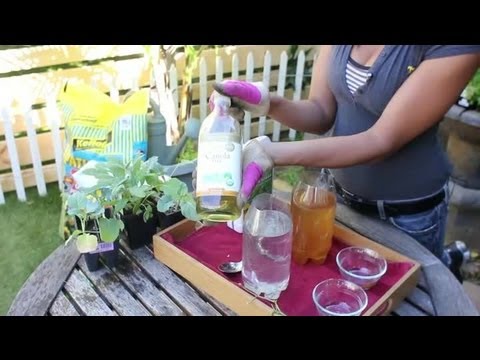
Natural insecticides give you simple ways to protect your vegetables without lasting residues or harm to helpful bugs. They cost little. Most use ingredients you already have at home. And when you use them with care, they hurt pests more than plants. Below you’ll find easy recipes, clear steps, and tips for success.
Why Choose Natural Insecticides
Chemical pesticides kill without thought. They can harm pollinators, earthworms, and soil life. They often leave residues on fruit and leaves. Natural sprays break down quickly. They target pests in ways that let beneficial insects survive. They teach you to watch your garden closely. And they help you learn what each pest looks like and where it hides.
Natural sprays work in two main ways:
- Smothering: Oil and soap sprays coat insects. They block breathing pores.
- Toxic on contact or ingestion: Garlic, neem, pyrethrin, Bt powders. They interfere with insect life cycles or digestion.
Use them in early morning or late evening to protect bees. Reapply after rain. And rotate sprays so pests don’t build resistance.
General Guidelines
Before you spray:
- Wear gloves and old clothes.
- Test spray on one leaf. Wait 24 hours. Check plant for damage.
- Only spray when pests are present. Don’t spray day after day without need.
- Keep records. Note the date, spray used, and pest level.
- Store homemade sprays in labeled, sealed containers. Discard any left after 1–2 weeks.
And always wash produce before eating. Even natural sprays leave a film.
Vegetable Oil Spray
A simple blend of oil and soap. It works on soft pests like aphids, whiteflies, spider mites, and scale. The oil clogs their breathing pores. The soap helps the oil mix with water.
Equipment
- Mixing container or jar with lid
- Measuring spoons
- Measuring cup
- Funnel
- Spray bottle (16 oz / 500 mL)
Prep Time
- Mixing: 5 minutes
- Total ready time: 5 minutes
Ingredients
| Ingredient | US Measure | Metric Measure |
|---|---|---|
| Vegetable oil | 2 tablespoons | 30 mL |
| Mild liquid soap | 1 teaspoon | 5 mL |
| Water | 1 quart | 946 mL |
Instructions
- Put oil and soap into the jar.
- Add water to the top.
- Close lid. Shake until mixed.
- Use funnel to fill spray bottle.
- Shake bottle well before each use.
- Spray undersides of leaves and stems.
- Repeat every 7–10 days or after rain.
Neem Oil Spray
Neem oil comes from the seeds of the neem tree. It smothers insects and disrupts their hormones. It also fights some fungal diseases like powdery mildew.
Equipment
- Mixing container with lid
- Measuring spoons and cup
- Funnel
- Spray bottle (16 oz / 500 mL)
- Stir stick or spoon
Prep Time
- Mixing: 10 minutes
- Steeping: 2 days (optional, speeds action)
- Total until ready: 2 days and 10 minutes
Ingredients
| Ingredient | US Measure | Metric Measure |
|---|---|---|
| Vegetable oil | 1 cup | 240 mL |
| Liquid soap | 1 tablespoon | 15 mL |
| Cold-pressed neem oil | 2 teaspoons | 10 mL |
| Water | 1 quart | 946 mL |
Instructions
- In the jar, pour oil, soap, and neem oil.
- Close lid. Shake to mix.
- Let sit in a cool spot for 48 hours. Shake once a day.
- When ready, shake again.
- Add mixture to spray bottle via funnel.
- Top up with water if needed. Shake well.
- Spray plants until just wet. Cover leaves front and back.
- Apply every 7–14 days or after heavy rain.
Garlic Spray
Garlic’s sulfur compounds repel many pests and mask plant scent. It works on aphids, caterpillars, whiteflies, and some mammals.
Equipment
- Blender or food processor
- Fine strainer or cheesecloth
- Container with lid
- Funnel
- Spray bottle (16 oz / 500 mL)
Prep Time
- Blending and straining: 10 minutes
- Steeping: 12 hours (optional)
- Total until ready: 12 hours and 10 minutes
Ingredients
| Ingredient | US Measure | Metric Measure |
|---|---|---|
| Fresh garlic cloves | 3 cloves | ~15 g |
| Water | 2 cups | 480 mL |
| (Optional) Soap | 1 teaspoon | 5 mL |
| (Optional) Lavender or lemon oil | 5 drops | — |
Instructions
- Peel garlic.
- Blend garlic with water until smooth.
- Strain through cloth into container.
- (Optional) Stir in soap and essential oil.
- Cover and let steep for 12 hours.
- Stir or shake before use.
- Use funnel to fill spray bottle.
- Spray on affected parts. Focus on undersides.
- Reapply every 5–7 days or after watering.
Insecticidal Soap
True insecticidal soaps use potassium salts of fatty acids. They break down insect cell membranes. They work on mites, aphids, thrips, and whiteflies.
Equipment
- Mixing container
- Measuring spoons and cup
- Funnel
- Spray bottle (16 oz / 500 mL)
Prep Time
- Mixing: 5 minutes
- Total: 5 minutes
Ingredients
| Ingredient | US Measure | Metric Measure |
|---|---|---|
| Potassium soap (liquid) | 1 tablespoon | 15 mL |
| Water | 4 cups | 960 mL |
Instructions
- Measure soap into container.
- Add water. Stir gently.
- Fill spray bottle via funnel.
- Spray on pests directly. Cover leaves.
- Use in cool hours of day.
- Reapply every 5–7 days or after rain.
Diatomaceous Earth
A natural dust made from fossilized algae. It scratches insect exoskeletons. They dehydrate and die. It works on slugs, beetles, ants, and other ground pests.
Equipment
- Dust spreader or old salt shaker
- Gloves
- Dust mask (optional)
Prep Time
- Setup: 2 minutes
- Application: 5 minutes
- Total: 7 minutes
Ingredients
- Food-grade diatomaceous earth
Instructions
- Wear gloves and a mask if dusty.
- Lightly dust soil or plant bases.
- Avoid piles. A light coating is enough.
- Reapply after rain or watering.
Pyrethrin and Bacillus thuringiensis (Bt)
Both come from nature. Pyrethrins are from chrysanthemum flowers. They attack insect nerves. Bt is a soil bacterium toxic to caterpillar larvae.
Where to Buy
- Garden stores
- Online garden suppliers
How to Use
- Read the label. Note target pests.
- Mix per label instructions.
- Spray or dust on plants.
- Reapply as directed.
- Wash produce before eating.
Other Physical Controls
Row Covers and Barriers
- Use lightweight fabric over beds.
- Secure edges with soil or pins.
- Remove during bloom to let bees in.
Hand-Picking
- Check leaves daily.
- Drop large pests into soapy water.
Traps
- Yellow sticky cards catch whiteflies.
- Beer traps lure slugs.
Encouraging Beneficial Insects
Not all bugs are bad. Ladybugs, lacewings, predatory wasps, spiders, and ground beetles eat pests.
How to Attract Them
- Plant flowers like yarrow, cosmos, and dill.
- Provide shallow water dishes with stones.
- Let some leaf litter and low plants stay.
When to Release
- If pest pressure is high.
- Buy ladybugs or lacewing eggs.
- Release in evening near infested spots.
Companion Planting
Some plants repel pests, while others draw pests away.
| Vegetable | Companion | Pest Controlled |
|---|---|---|
| Tomatoes | Basil, marigold | Aphids, whiteflies |
| Cabbage family | Dill, nasturtium | Cabbage worms |
| Beans | Garlic, onions | Bean beetles |
| Carrots | Leeks, rosemary | Carrot flies |
Timing and Safety
- Spray in early morning or late evening.
- Don’t spray when bees are active.
- Wear gloves and avoid breathing sprays.
- Never mix different sprays unless tested.
- Don’t use oil or soap sprays on drought-stressed plants.
- Check weather: avoid hot days over 90 °F (32 °C).
Sample Spray Schedule
| Week | Spray Type | Purpose |
|---|---|---|
| 1 | Vegetable oil spray | Early aphid control |
| 2 | Neem oil spray | Fungus and broad pest defense |
| 3 | Garlic spray | Repel mammals and caterpillars |
| 4 | Insecticidal soap | Sap-sucking insects |
| 5 | Bt or pyrethrin | Caterpillar and beetle larvae |
| Repeat as needed after rain or heavy infestation. |
Troubleshooting
- Leaf burn: Stop oil or soap sprays if sun is intense.
- No effect: Inspect spray coverage. Check soap is mild.
- Pests return quickly: Increase spray frequency or add hand-picking.
- Beneficial insects dying: Cut back on sprays; use spot treatment only.
Final Thoughts
Natural insecticides are tools, not miracles. Watch your garden. Learn what each pest does to your plants. Rotate sprays. Use physical controls. And encourage helpful bugs. With time and care, you can grow healthy vegetables without harsh chemicals. Your garden will be more balanced, more alive, and more rewarding to tend.