


Pest Control For Pole Beans – Home Garden Natural Methods
Growing pole beans can be a rewarding experience. Beans are easy to grow and offer fresh, nutritious pods. But they can also attract pests. These pests weaken plants and reduce yields. They can even transmit harmful diseases. Managing them early and naturally keeps your garden healthy.
In this guide, we will look at common pests of pole beans. You will learn to identify each pest. You will learn how they damage plants. And you will learn how to control them with natural methods. These methods keep beneficial insects safe. They reduce chemical use. They let you grow strong beans.
Understanding Pest Pressure
Plants under stress send out chemical signals. These signals draw pests. Disease, drought, poor soil, and overcrowding all stress plants. Healthy, well-spaced plants can resist pests better.
Start with good soil. Add compost before planting. Compost feeds soil microbes and plants. Mix in aged manure or composted leaves. This builds soil structure and drains well.
Choose pole bean varieties suited to your climate. Heirloom beans look nice. But they may lack disease resistance. Modern hybrids often resist common diseases and pests. Read seed catalogs or tags for resistance information.
Rotate crops each year. Do not plant beans in the same spot more than once every three years. Crop rotation prevents pest populations from growing in the soil.
Inspect plants regularly. Check leaves, stems, flowers, and pods. Look underneath leaves too. Early detection makes control easier.
Use a watering can or drip irrigation. Avoid wetting leaves and blooms. Water at the soil level. Wet foliage can spread fungal spores and attract pests.
Keep the garden clean. Pull weeds that can host pests. Remove plant debris after harvest. This prevents overwintering pests and diseases.
Encourage beneficial insects. Many insects prey on pest species. Lady beetles, lacewings, parasitic wasps, and hoverflies all help. You can plant flowering herbs and wildflowers nearby. These plants provide nectar and pollen sources.
Aphids
Aphids are small. They have pear-shaped bodies and two tail-like cornicles. They range in color from green to black, red, or yellow.
They feed on sap. They pierce plant tissue with their mouthparts. They weaken plants. Leaves curl and turn yellow. Plants slow in growth. Pods can deform.
Aphids excrete honeydew. This sticky droplet collects on leaves and stems. Sooty mold grows on honeydew. Sooty mold blocks sunlight. This reduces photosynthesis.
Aphids also spread viruses. Bean mosaic virus and other viruses pass from plant to plant as aphids feed. Once infected, plants cannot be cured.
Identification
Early signs include curled or twisted new leaves. Look for tiny clusters of insects on new growth. You may see ants on plants. Ants farm aphids and protect them.
Control Methods
- Water Spray
Use a strong stream of water. Aim at leaf undersides. Spray weekly or after heavy rains. This knocks aphids off the plant. Do it early in the day. Plants dry fast. This reduces fungal risk.
- Insecticidal Soaps
Mix one tablespoon of mild liquid soap per quart of water. Castile soap works well. Spray the entire plant. Cover leaf tops and undersides. Repeat every seven days until under control.
Avoid dish detergents. They often have degreasers and fragrances that harm plants.
- Neem Oil
Neem oil disrupts aphid growth and reproduction. Mix two tablespoons of cold-pressed neem oil per gallon of water. Add a teaspoon of mild soap as a surfactant. Spray every ten days.
Do not spray neem oil during the heat of the day. Heat plus oil can burn leaves. Apply in the cool morning or evening.
- Lady Beetles and Lacewings
These predators eat aphids. You can buy larvae or adults online or at garden centers. Release them near infested plants. Water the soil lightly first. This helps them settle in.
- Reflective Mulch
Silver reflective mulch under plants can repel aphids. It confuses them. They avoid landing on plants.
Whiteflies
Whiteflies look like tiny moths. They are about 1 to 2 millimeters long. They feed on the undersides of leaves.
Symptoms
Yellow spots appear on leaves. Leaves may wilt and drop early. Honeydew and sooty mold follow heavy whitefly feeding.
Whiteflies lay eggs in circular patterns. Nymphs stick to leaves. They form scale-like coverings.
Control Methods
- Yellow Sticky Cards
Hang yellow sticky cards around bean plants. Whiteflies are attracted to yellow. They stick to traps. Change cards when full.
- Vacuuming
A small handheld vacuum can remove whiteflies. Use it early in the morning when they are less active. Empty the vacuum bag away from your garden.
- Water Spray
A strong spray can dislodge adult whiteflies. It also washes away eggs and nymphs.
- Insecticidal Soap and Neem
Use the same soap and neem mix recommended for aphids. Aim for undersides of leaves.
- Covering Seedlings
Use row covers right after planting. Remove covers when flowers appear. Covers block adult whiteflies.
Spider Mites
Spider mites are not insects. They are tiny arachnids. They can reproduce quickly in hot, dry weather.
Symptoms
Leaves develop pale stippling. On severe infestations, fine webbing appears under leaves. Leaves turn yellow or bronze and drop.
Control Methods
- Increase Humidity
Mites thrive in dry conditions. Misting plants or using drip irrigation raises humidity. This discourages mites.
- Water Spray
A strong daily spray on leaf undersides can reduce mite numbers.
- Predatory Mites
Phytoseiulus persimilis is a mite eater. Release them when you see early mite damage. They keep mite populations low.
Mexican Bean Beetle
Mexican bean beetles look like orange lady beetles with black spots. They feed on leaves. They skeletonize foliage, leaving only veins.
Identification
Eggs are yellow patches on leaf undersides. Larvae look like spiky yellow-green grubs.
Control Methods
- Hand-Picking
Check plants early. Knock beetles into a bucket of soapy water. Remove egg masses by scraping.
- Row Covers
Use light row covers until plants flower. Remove covers to allow pollination.
- Biological Control
The fungus Beauveria bassiana infects and kills bean beetles. It is available in organic form. Spray according to label directions.
Scale Insects and Mealybugs
Scale insects have hard or waxy shells. Mealybugs look like white cottony masses.
Symptoms
Yellowing leaves. Stunted growth. Honeydew and sooty mold.
Control Methods
- Manual Removal
Use a cotton swab dipped in alcohol to rub off scales. Prune heavily infested branches.
- Horticultural Oil
Spray pure horticultural oil. It smothers insects. Apply before buds open. Repeat three times at seven-day intervals.
- Beneficial Insects
Parasitic wasps lay eggs inside scale insects. They emerge and kill the scale. Release these wasps early in the season.
Thrips
Thrips are small, slender insects. They feed by rasping leaf surfaces. Leaves develop silvery patches and black specks of excrement.
Control Methods
- Sticky Traps
Blue or yellow sticky traps catch thrips.
- Neem Oil
Neem oil deters thrips from feeding. Apply every ten days.
- Predatory Insects
Orius insidiosus, the minute pirate bug, eats thrips. Release them when thrips appear.
Cutworms and Looper Caterpillars
Cutworms feed at night at the soil line. They sever young stems. Loopers feed on leaves in a looping motion.
Control Methods
- Soil Collar
Place cardboard or plastic collars around seedlings. Bury two inches below soil. Collar extends two inches above.
- Diatomaceous Earth
Apply a thin ring around stems. The fine powder cuts insect bodies.
- Bacillus thuringiensis (Bt)
Bt is a bacterial spray. It kills caterpillar larvae only. Spray leaves when you see young caterpillars.
Root-Knot Nematodes
Nematodes are microscopic worms in soil. They cause galls on roots. Plants wilt and yield poorly.
Control Methods
- Crop Rotation
Grow non-host crops like corn or grasses for two years.
- Solarization
Cover moist soil with clear plastic in summer. Leave for six weeks. Heat kills nematodes.
- Organic Amendments
Add compost and poultry litter. This fosters natural nematode predators.
Weevils
Weevils are beetles in the family Curculionidae. They may attack stored beans and garden plants.
Symptoms
Holes in stored beans. Adults feed on roots or stems in the field. Seedlings may fail to emerge.
Control Methods
- Pantry Hygiene
Store beans in airtight containers. Clean storage areas regularly. Use bay leaves or garlic cloves as repellents.
- Field Sanitation
Remove debris after harvest. Hand-pick adult weevils on nights with a flashlight.
- Crop Rotation
Rotate fields to non-host crops.
Integrated Pest Management (IPM)
IPM combines methods. It uses cultural, biological, and mechanical controls first. Chemical controls come last.
- Monitor: Check plants weekly. Record pests and damage.
- Thresholds: Decide how many pests trigger action. For example, five aphids per leaf might be your limit.
- Controls: Apply water sprays, manual removal, beneficial insects, or organic sprays.
- Evaluation: After control measures, rerun counts. If pests remain high, adjust methods.
IPM reduces chemical use. It saves money. It protects the environment. It builds strong gardens.
Conclusion
Pole beans can suffer from many pests. Aphids, whiteflies, spider mites, beetles, caterpillars, nematodes, and weevils all threaten plants. But you can manage them with natural methods.
Start with healthy soil. Choose resistant varieties. Rotate crops and space plants well. Inspect often. Encourage predators and use physical barriers.
Use water sprays, soaps, oils, and natural predators as your first line of defense. Save chemical sprays for severe outbreaks.
With these steps, you can keep pole beans healthy and productive. You will harvest more beans. And you will grow safely, without harming beneficial insects or soil life. Happy gardening!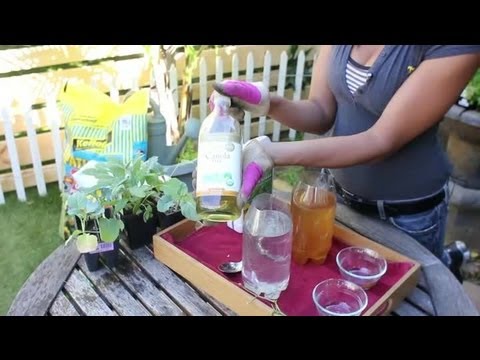
Share this:

Discover more from Life Happens!
Subscribe to get the latest posts sent to your email.