


Pruning Woody Tea Herbs
Fresh rosemary brings bold pine-like flavor to any meal, providing the finishing touch to an otherwise simple preparation. This hardy perennial needs at least six hours of sunlight daily in sandy soil with excellent drainage for best results.
Renew nutrients in your soil with organic matter through spring mulching, protecting tender herbs from winter winds with cloches or row covers.
Rosemary
Rosemary (Rosmarinus officinalis) is an evergreen woody herb with needle-like leaves in various shades of gray-green to dark green, plus white, pink or light blue flowers that bloom between spring and fall. Winter survival may vary widely across states; therefore this plant should usually be considered an annual. (2)
Rosemary needs regular pruning in order to remain neat and healthy. Like other aromatic herbs, rosemary can become leggy and woody over time without consistent trimming.
Plant rosemary in a sunny spot with well-draining soil. For optimal growth, place it alongside beans, carrots, or any other veggie that prefers similar conditions – beans or carrots work especially well here! To grow rosemary from seeds, soak them for 24 hours prior to pressing lightly into moist seed-starting mix in a seed tray; they’ll germinate within one week! When starting from transplants instead, space plants two or three feet apart.
Sage
Sage is an evergreen herb with soft gray-green leaves and a pleasant aromatic fragrance, known for being hardy even through frost and growing well in containers, herb gardens, veg plots and flower borders.
As is true of most herbs, sage thrives best in full sun with well-draining soil or compost that doesn’t become waterlogged. While susceptible to damage from rosemary beetles and leafhoppers, they typically pose no significant threat and can easily be managed through hand picking.
Regular pruning helps tidy up plants, promote fresh growth and enhance essential oil content for maximum flavor. Over-fertilization will only make plants leggy and less productive – use light applications of balanced organic fertilizer in spring and summer while limiting dormancy feedings to an acceptable level. In winter months, cover roots with biodegradable fleece or move container-grown sage into a protected spot to protect leaves from harsh weather conditions and slow deterioration; for maximum flavor pick sage in early summer or spring when picking is best!
Thyme
Thyme makes an attractive groundcover herb when combined with other perennial garden herbs like sage and rosemary. Furthermore, its culinary uses range from soups, fish dishes and stuffing mixes.
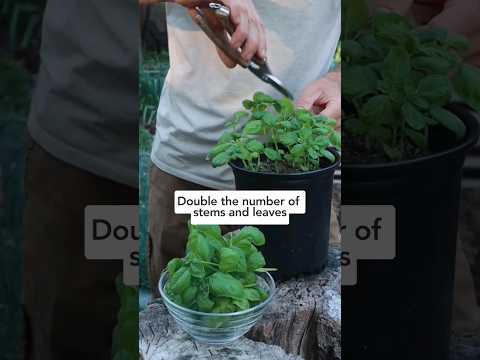
Trimming thyme regularly will prevent it from becoming overly leggy or woody and encourage new growth, helping preserve fresh, aromatic leaves for cooking purposes.
To prune thyme, identify its growing tip (a cluster of leaves) and node where it attaches to the stem. Use your fingernails, herb snips or scissors to lightly pinch or snip this junction together using fingernail clippers or herb shears – do this on all other stems requiring pruning for good shape of the plant – no more than 1/3 at one time so as not to stress and encourage new growth; like other perennial herbs thyme is drought tolerant but occasional watering to maintain soil moisture levels is beneficial for optimal performance of all plant health and overall wellbeing.
Oregano
Oregano is another beloved herb that benefits greatly when regularly pruned. A perennial, it flourishes year-after-year under ideal conditions and becomes more bushy and vigorous with each cut, producing larger leaves that are healthier and tastier than when left alone.
Oreganos thrive in Central Florida’s warm weather, but are susceptible to fungal diseases like powdery mildew or root rot in our humid conditions. To protect oreganos from these risks, promote good air circulation, avoid overhead watering, and apply fungicidal sprays according to label instructions as needed.
Prune oregano regularly, taking care not to cut more than one-third of its stem at one time. Harvest leaves often to promote new growth; do so before your plants produce flowers though as their taste will become bitter after that point if harvested too soon. It is also wise to dry or freeze harvested stems so you have them available later for use.
Share this:

Discover more from Life Happens!
Subscribe to get the latest posts sent to your email.