Garden pests often reveal themselves through subtle clues long before major damage appears, and a careful pest inspection can help you catch them in time. With regular garden monitoring and simple organic treatment methods, you can protect plants while staying gentle on your garden’s natural balance.
plant health
Seasonal Pruning Reset: Cut, Train, Tie Plants
Seasonal pruning is more than a cleanup task—it’s a smart reset that supports plant health, improves structure, and sets growth up for the season ahead. With the right pruning calendar, plant training, and garden ties, you can guide your garden beautifully without fighting its natural form.
Seasonal Pruning Reset: Cut, Train, Tie, Protect
Seasonal pruning is more than a trim—it’s a smart reset that helps you cut, train, and protect plants at the right time for stronger growth. With the right pruning calendar and a few simple garden ties, you can improve plant health, shape, airflow, and future blooms with confidence.
June Gardening: Deep Watering, Pruning, Staking & Bugs
June gardening is all about guiding growth, not starting over, and the right routine can make the whole season easier. From deep watering and summer pruning to plant staking and insect monitoring, these simple tasks keep your garden healthy, tidy, and productive through the heat.
Crop Spacing for Airflow: Prevent Disease in Crowded Garden Beds
Planning crop spacing with airflow in mind helps keep leaves dry, reduces disease pressure, and gives each plant the room it needs to grow well. Instead of crowded beds, you get healthier plants, better bed density, and a more reliable harvest.
How to Tell Pest Damage vs. Disease Symptoms in Plants
When troubleshooting plants, the key is spotting the pattern behind the problem: pest damage often leaves chew marks, frass, or other feeding clues, while disease symptoms tend to spread in more uniform ways. Learning to tell leaf spots from insect damage can help you act fast and protect the rest of the plant.
Nutrient Lockout Signs in Garden Plants: How to Spot Them
Nutrient lockout can look like a simple deficiency at first, but the real clue is often hidden in the soil. Learn to spot early deficiency symptoms and pH imbalance so you can diagnose feeding problems before your garden starts to stall.
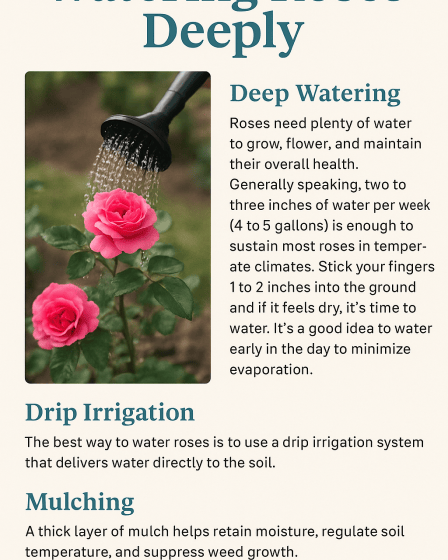
Watering Roses Deeply
Give your roses a deep soak once a week to encourage strong roots, healthier blooms, and fewer weeds. Water early in the day and check the soil first so you can keep your plants thriving without overwatering.